


When heavy equipment operates on uneven or sloped ground, standard flat outrigger pads often fail to provide adequate support. This is where the incline outrigger pad becomes essential. Designed with a tapered or wedge-shaped profile, it fills the gap between the outrigger foot and the ground, ensuring maximum contact area and load distribution even on gradients.
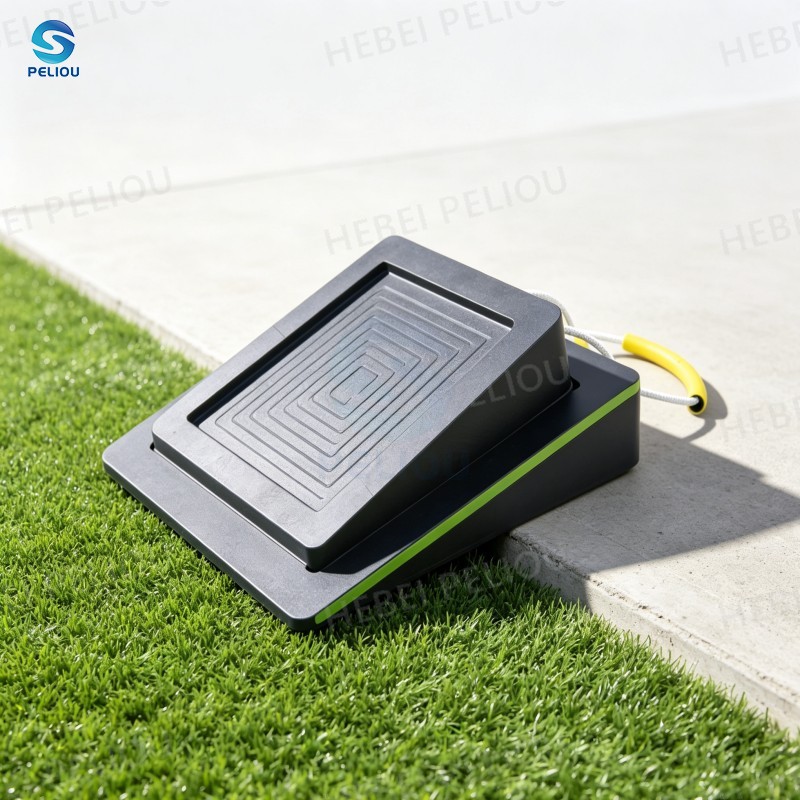
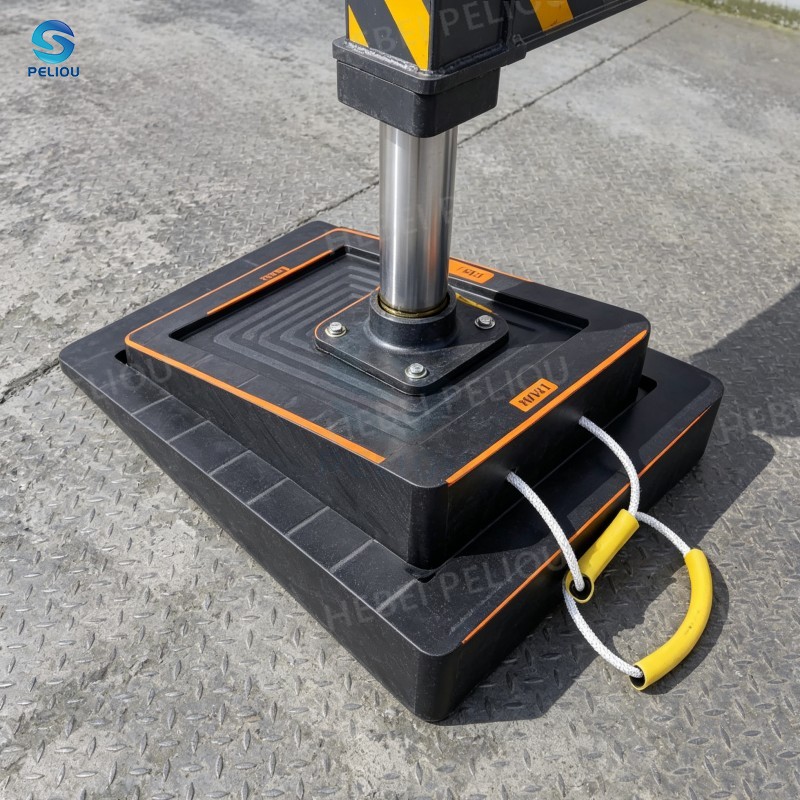
UHMWPE (Ultra-High Molecular Weight Polyethylene) is increasingly the material of choice for incline outrigger pads. Compared to traditional wood, steel, or nylon pads, UHMWPE offers several distinct advantages:
Extremely high impact strength – absorbs shock loads without cracking or splintering
Low friction coefficient – prevents the pad from sliding on wet, icy, or oily surfaces
Lightweight – easy for operators to position and carry, reducing manual handling risks
Chemical and moisture resistant – will not rot, swell, or corrode in harsh outdoor environments
High load-bearing capacity – supports cranes, concrete pumps, and aerial work platforms with ease
An incline outrigger pad is commonly used in:
Construction sites with sloped or compacted ground
Bridge maintenance and road repair projects
Utility and crane operations on uneven terrain
Oil and gas fields where ground conditions vary
By matching the angle of the slope, the pad eliminates point loading and reduces the risk of outrigger sinkage or tipping.
When selecting an incline outrigger pad, consider:
Load capacity – must exceed the maximum outrigger force of your equipment
Incline angle – choose a wedge angle that matches typical site gradients
Size and thickness – larger pads distribute load over a wider area
Surface texture – textured or grooved surfaces improve grip on slippery ground


