


Polypropylene (PP) board is a semi-crystalline thermoplastic sheet known for its excellent chemical resistance, heat resistance, light weight, non-toxicity, and ease of processing. These properties have made it one of the most widely used engineering plastics across numerous industries. This article explores the major application areas of PP board.
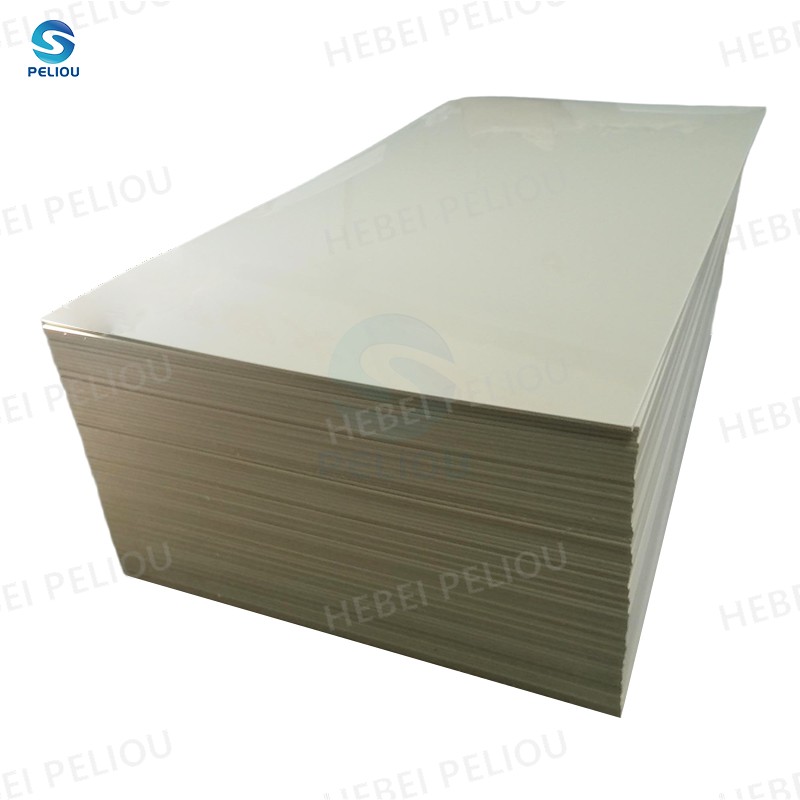
This is the most important application field for PP board. It is commonly used to manufacture chemical storage tanks, acid pickling baths, electroplating tanks, and linings or structural components for wastewater treatment equipment. PP board offers outstanding resistance to most acids, alkalis, and salt solutions, and it has an extremely low water absorption rate, making it ideal for harsh chemical environments.
PP board is used for covers of sewage treatment tanks, aeration devices, honeycomb fillers in inclined tube sedimentation tanks, and filter plates in water purification equipment. Since PP board is non-toxic and odorless, it does not cause secondary pollution to water, making it a safe and reliable choice for water-related applications.
Food-grade PP board can come into direct contact with food and is widely used for food processing tables, cutting boards, turnover boxes, and refrigerator linings. In the pharmaceutical industry, it is used for cleanroom partitions and wear-resistant components in drug packaging machinery. PP board can withstand high-temperature steam sterilization, which is essential for maintaining hygiene standards.
Thanks to its low friction coefficient and good wear resistance, PP board is used to make gears, bearings, guide rails, and sliding blocks. In the electronics industry, it serves as PCB electroplating racks, cleaning baskets, and insulating base plates. Its electrical insulation properties make it particularly valuable in this sector.
In construction, PP board is used as waterproofing layers, thermal insulation panels, and formwork. In the advertising industry, it is widely used for carved letters, display boards, and lightbox backboards, because it can be easily cut, engraved, and thermoformed into various shapes.
Sports equipment: swimming pool dividers and surfboard core materials.
Agriculture: covering materials for greenhouses and linings for breeding ponds.
Laboratories: fume hood linings and laboratory countertops.


