


As global industries face mounting pressure to reduce environmental impact, manufacturers are increasingly seeking materials that balance performance, durability, and recyclability. Among the most promising candidates is polypropylene (PP) sheet — a thermoplastic material that has quietly become a cornerstone of sustainable manufacturing solutions. From reusable packaging and automotive components to medical trays and construction formwork, PP sheets offer a compelling combination of lightweight strength, chemical resistance, and end-of-life recyclability.
This article explores why polypropylene sheets are gaining traction as a sustainable material choice, their key properties, real-world applications, and the challenges that remain to be addressed.
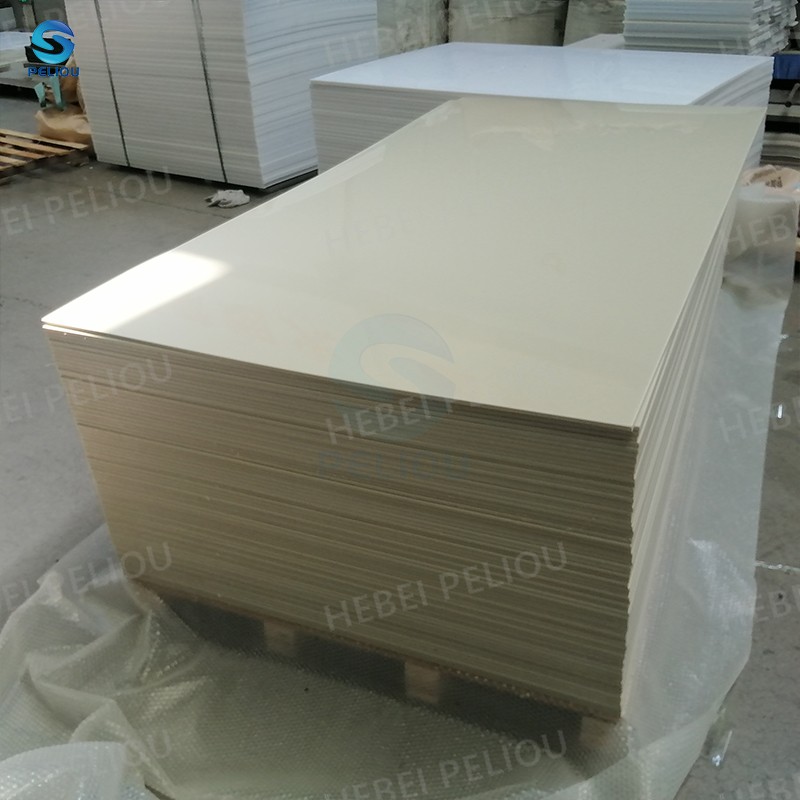
Polypropylene sheets are flat, semi-crystalline thermoplastic panels manufactured through extrusion or compression molding. They are available in a range of thicknesses, colors, and surface finishes — including smooth, textured, and foamed variants. Common types include:
Solid PP sheets – rigid, impact-resistant, and ideal for structural or load-bearing applications.
Foamed PP sheets – lightweight, insulating, and often used in packaging and automotive interiors.
Corrugated PP sheets – hollow-structured boards used for reusable signage, boxes, and dividers.
What unites these variants is a base polymer that is relatively easy to produce, highly adaptable, and — critically — recyclable.
Polypropylene is classified as resin identification code #5, and it is one of the more readily recyclable plastics. Unlike thermosets, PP can be melted and reshaped multiple times without severe degradation of its mechanical properties. This makes PP sheets an excellent candidate for closed-loop manufacturing systems, where scrap offcuts and end-of-life products are reground and reintroduced into production.
Many manufacturers now offer PP sheets with recycled content, diverting post-industrial and post-consumer waste from landfills.
Reducing weight is a central strategy in sustainable manufacturing, particularly in transportation. PP sheets are significantly lighter than metal, glass, or wood alternatives. A lighter vehicle or aircraft consumes less fuel, and a lighter shipping container reduces freight emissions. For every kilogram of material saved, the environmental benefits accumulate over the product's lifetime.
Sustainability is not only about what happens at end-of-life — it is also about extending service life. PP sheets resist moisture, chemicals, corrosion, and fatigue far better than many traditional materials. This durability enables reusable solutions:
Reusable packaging crates and pallets
Returnable containers for automotive and electronics parts
Reusable formwork in concrete construction
Each reuse cycle displaces the need for a single-use alternative, dramatically lowering the material's cumulative environmental footprint.
Compared to materials like aluminum or virgin glass, polypropylene production requires relatively low energy input and minimal water. While PP is derived from fossil fuels, its manufacturing efficiency gives it a favorable cradle-to-gate profile in many comparative life cycle assessments (LCAs).
PP sheets are inert to most acids, bases, and solvents. This makes them ideal for medical, laboratory, and food-processing environments, where sanitation is critical. Unlike some materials that require harsh cleaning agents or degrade over repeated sterilization, PP sheets can withstand steam, disinfectants, and repeated washing — supporting reuse and reducing disposable waste.
No material is without trade-offs. Polypropylene sheets face several challenges on the path to full sustainability:
Recycling infrastructure gaps: While PP is technically recyclable, collection and sorting systems vary widely by region. Contamination and mixed-material laminates can hinder recycling.
Additives and fillers: Some PP sheets contain colorants, flame retardants, or glass fibers that complicate recycling or reduce recyclate quality.
Microplastic concerns: Like all plastics, PP can shed microplastics during wear or improper disposal.
Fossil feedstock: Virgin PP is petroleum-based. Bio-based polypropylene (from sugarcane or other biomass) is emerging but not yet mainstream.
Addressing these issues requires collaboration across the value chain — from resin producers to manufacturers, recyclers, and policymakers.
The PP sheet industry is evolving rapidly. Notable trends include:
Bio-based PP: Produced from renewable feedstocks, offering a lower carbon footprint.
Mono-material design: Engineers are designing PP-based products that use only PP components, eliminating the need to separate materials during recycling.
Chemical recycling: Advanced processes can break PP down into its original monomers, enabling true circularity.
Digital product passports: Embedding material data to track recyclability and recycled content.
Polypropylene sheets are not a silver bullet for sustainable manufacturing — but they are a powerful and practical tool. Their combination of recyclability, durability, lightweighting potential, and chemical resistance makes them well-suited to a circular economy. As recycling infrastructure improves, bio-based feedstocks scale up, and manufacturers embrace design-for-disassembly, PP sheets will play an increasingly central role in reducing industrial waste and resource consumption.
For manufacturers committed to sustainability, polypropylene sheet is not just a material choice — it is a strategic step toward a more circular and responsible future.


