


Meta Title:How to Select the Best PE UHMW Sheet for High Abrasion Applications | Peliou Meta Description:Learn how to select the best PE UHMW sheet for high abrasion applications. Key factors include abrasion resistance, impact strength, thickness, grades, certifications and custom processing for industrial wear parts.
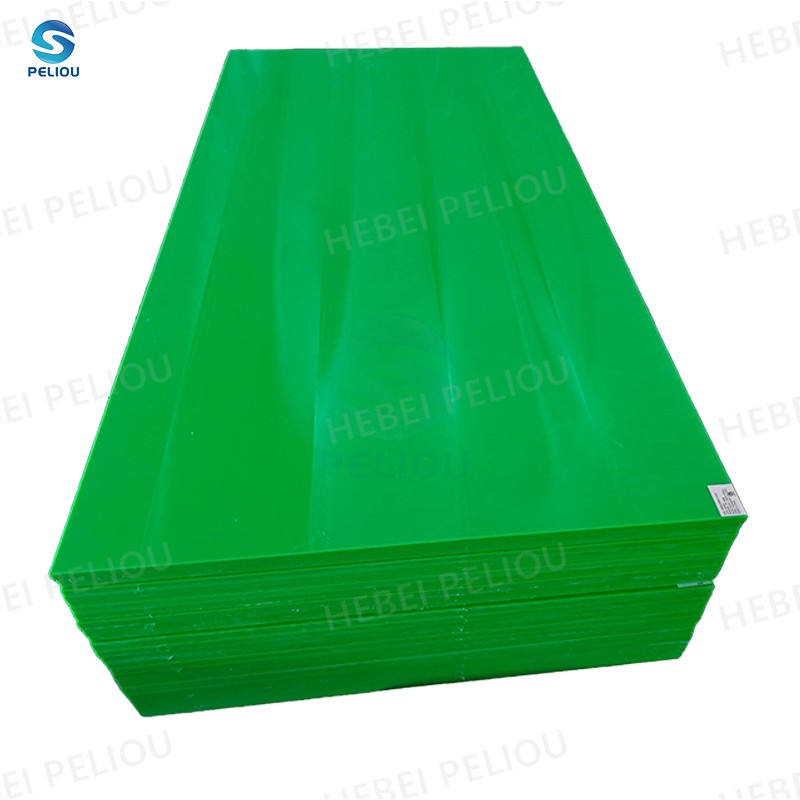
Understanding UHMWPE and Its Abrasion Resistance UHMWPE (Ultra-High-Molecular-Weight Polyethylene) is a premium thermoplastic famous for outstanding wear resistance, low friction coefficient and impact toughness. Compared with HDPE, nylon and POM, properly formulated UHMW sheet delivers far longer service life under continuous sliding, scraping and impact abrasion. For mining, conveyor, chute, liner and material handling equipment, choosing the right UHMW grade directly reduces downtime and replacement cost.
Key Performance Factors for High-Wear UHMW Sheets When purchasing UHMW sheet for abrasive environments, do not only compare price. Focus on these core indexes: molecular weight, abrasion loss rate, notched impact strength, coefficient of friction, operating temperature range and anti-static / flame retardant requirements.
Common UHMWPE Grades for Abrasion Service Different modified grades serve different wear conditions.
Thickness & Size Selection Guide Thickness is decided by impact load, wear allowance and installation structure.
Critical Certifications to Verify For industrial and export projects, ask your supplier for valid documents:
Machining & Fabrication Requirements UHMW can be cut, drilled, milled, thermoformed and prefabricated into liners, pads and wear plates. Confirm whether your supplier can provide pre-drilled holes, chamfering and CNC machining, so you can install directly on site.
Typical High Abrasion Application Scenarios
FAQs About UHMW Wear Sheets Q: Is UHMW better than HDPE for abrasion? A: Yes. UHMW has much better abrasion resistance and impact performance than regular HDPE. Q: What is the maximum continuous working temperature? A: Normally around 80°C; do not use for long time above 85°C. Q: Can UHMW sheet resist sand, ore and gravel abrasion? A: Virgin high-molecular UHMW is widely used for ore and aggregate handling liners.


