


Construction projects often involve heavy machinery, large vehicles, temporary access roads, and challenging ground conditions. Moving excavators, cranes, loaders, and trucks across soft soil or muddy terrain can cause serious ground damage, create unstable working surfaces, and increase project costs.
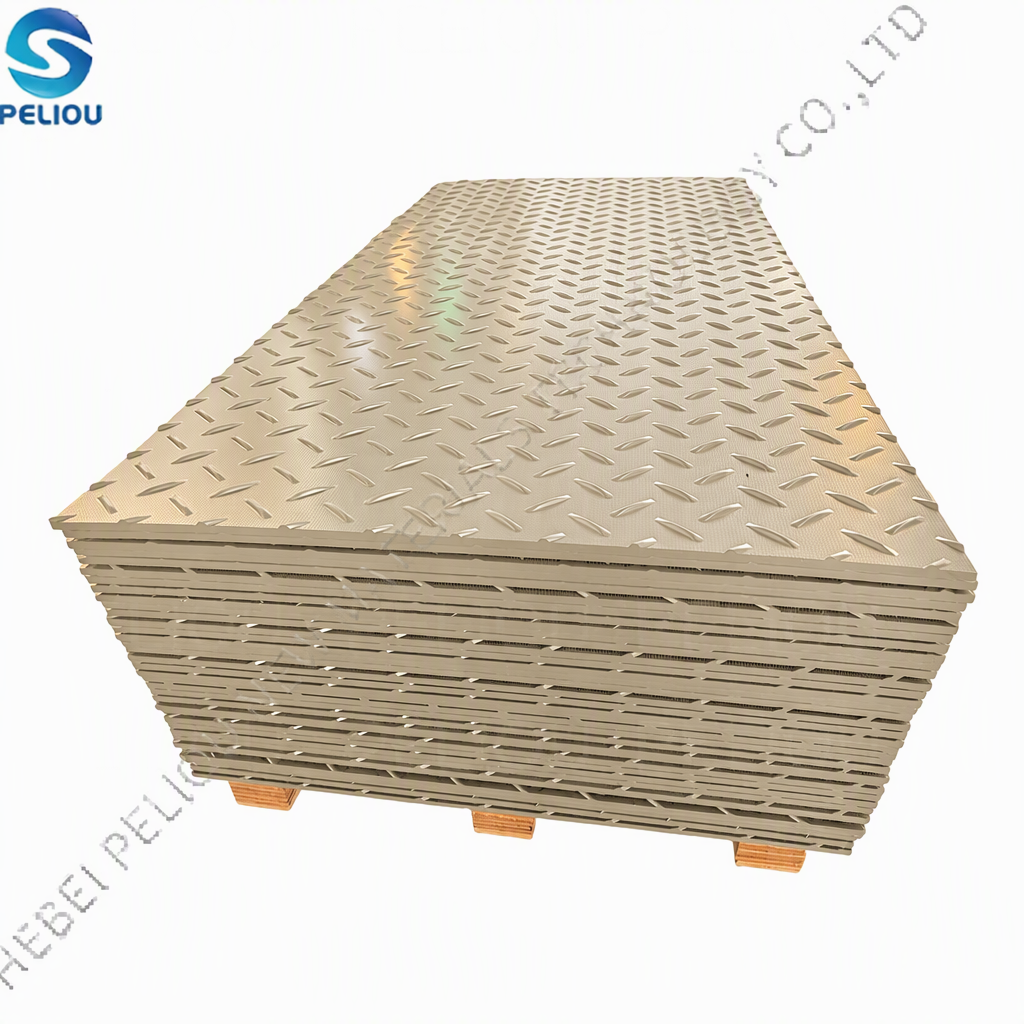
This is where ground protection mats become essential. Designed to create temporary protective surfaces, these mats help distribute equipment loads, reduce ground disturbance, improve site accessibility, and protect existing surfaces during construction operations.
For construction contractors, equipment rental companies, and procurement professionals, choosing the right construction ground protection mats can make a significant difference in project efficiency and site management.
In this article, we will explore what ground protection mats are, how they protect jobsites, their key features, material options, common applications, and the factors to consider when selecting the right ground protection solution.
Understanding Ground Protection Mats
Ground protection mats are specially designed panels placed on natural or existing surfaces to provide temporary protection and stable access for pedestrians, vehicles, and heavy construction equipment.
They are commonly manufactured from high-density polyethylene (HDPE), ultra-high molecular weight polyethylene (UHMW-PE), composite materials, or timber. Plastic ground protection mats have become a popular option because of their durability, moisture resistance, corrosion resistance, and reusability.
The main function of a ground protection mat is to distribute concentrated loads over a larger contact area. When heavy machinery travels directly over soft ground, its weight can create localized pressure, resulting in soil compaction, deep tire tracks, and surface deformation.
By placing properly designed ground protection mats between the equipment and the ground, contractors can help reduce localized loading and protect the underlying surface.
Unlike permanent road construction, temporary ground protection mats can be installed, removed, transported, and reused across different projects.
Why Do Construction Jobsites Need Ground Protection Mats?
Construction environments are rarely uniform. Some projects take place on firm surfaces, while others involve muddy fields, loose soil, grass, gravel, wetlands, or uneven terrain.
Without proper ground protection, heavy equipment can create several problems that affect construction schedules, operational efficiency, and project budgets.
1. Preventing Soil Compaction
Heavy construction vehicles place substantial pressure on the ground through their wheels or tracks. Repeated traffic can compact soil, reduce natural drainage, and damage the surrounding landscape.
Ground protection mats help distribute loads over a wider area, reducing concentrated pressure when the mats are correctly designed and installed.
2. Reducing Ground Damage
Deep tire ruts, damaged grass, displaced soil, and uneven surfaces are common problems on unprotected construction sites.
Plastic ground protection mats create a protective layer between equipment and existing surfaces, helping reduce direct mechanical damage.
3. Improving Equipment Accessibility
Soft or muddy ground can make it difficult for excavators, forklifts, trucks, and other construction vehicles to reach designated work areas.
Temporary access mats provide a more consistent travel surface, helping contractors establish access routes and organize equipment movement.
4. Reducing Site Restoration Expenses
After construction work is completed, contractors may need to repair damaged lawns, roads, soil, and landscaped areas.
Using ground protection mats can help minimize surface disturbance and potentially reduce restoration labor and material expenses.
5. Supporting Safer Working Environments
Appropriately textured mats can provide improved traction for workers and equipment. They also help define pedestrian routes and designated vehicle access areas.
Proper installation, site inspection, and suitable equipment selection remain essential for maintaining jobsite safety.
Why Choose Ground Protection Mats for Jobsites?
When selecting ground protection solutions, construction buyers generally focus on durability, load performance, installation efficiency, and long-term operating costs.
High-quality polyethylene ground protection mats provide several practical advantages for demanding outdoor applications.
Load Distribution and Ground Protection
Ground protection mats distribute equipment loads across a broader surface area, helping reduce localized ground pressure and minimize excessive soil deformation.
Easy Installation and Removal
Many plastic ground protection mats are designed with practical panel dimensions, lifting features, or connection systems. These designs help simplify installation, removal, and transportation.
Resistance to Moisture and Corrosion
Unlike untreated timber or conventional steel surfaces, polyethylene materials do not rot or rust. Their resistance to moisture makes them suitable for many outdoor construction environments.
Long-Term Reusability
Reusable ground protection mats can be moved between different project locations. This is particularly valuable for construction companies and rental businesses that require temporary access solutions regularly.
Flexible Application Options
Different mat sizes, thicknesses, and surface designs allow contractors to choose products for pedestrian access, temporary roads, landscaping protection, and equipment movement.
Key Features of High-Quality Ground Protection Mats
Not all ground protection mats offer the same performance. Professional buyers should evaluate the following characteristics before purchasing a product.
- High Load-Bearing Performance: Designed to accommodate specified vehicle and equipment loads when used under suitable installation and ground conditions.
- Durable Polyethylene Construction: HDPE and UHMW-PE materials offer good moisture resistance, impact resistance, and durability for outdoor use.
- Slip-Resistant Surface: Textured surface patterns can improve traction for pedestrians and vehicles in different working conditions.
- Weather Resistance: Polyethylene materials resist moisture and corrosion and can be used in many outdoor environments.
- Easy Handling: Practical panel designs and lifting features can help reduce handling and installation difficulties.
- Reusable Design: Durable mats can be cleaned, inspected, stored, and reused across multiple construction projects.
- Custom Specifications: Different dimensions, thicknesses, colors, and surface patterns can meet different project requirements.
Understanding Construction Buyers' Needs
For professional construction buyers, purchasing ground protection mats is not simply about finding the lowest product price. It involves evaluating overall project requirements, supplier reliability, product performance, and long-term value.
Construction contractors typically consider several important purchasing factors.
Reliable Product Performance
Buyers need mats that are appropriate for the expected equipment loads, ground conditions, and operating environment. Clear technical specifications help reduce uncertainty during procurement.
Consistent Product Quality
For distributors and equipment rental companies, consistent dimensions, material quality, and product performance are important for maintaining inventory and serving repeat customers.
Flexible Product Specifications
Different jobsites require different mat configurations. Buyers may need customized dimensions, thicknesses, surface patterns, and connection options.
Competitive Total Cost
Procurement teams should consider not only the purchase price but also transportation, installation, maintenance, storage, service life, and potential ground restoration costs.
A suitable ground protection system should provide practical performance throughout its expected operating life.
Different Types of Ground Protection Mats for Construction Jobsites
Ground protection requirements vary depending on the equipment, ground conditions, and project objectives. Several types of mats are available for different construction applications.
1. HDPE Ground Protection Mats
HDPE ground protection mats are widely used for temporary access roads, construction vehicle movement, pedestrian pathways, and landscaping projects.
High-density polyethylene offers a useful combination of durability, moisture resistance, and practical handling characteristics.
2. UHMW-PE Ground Protection Mats
Ultra-high molecular weight polyethylene is an engineering plastic known for its excellent abrasion resistance, impact resistance, and wear performance.
UHMW-PE ground mats can be considered for applications where repeated contact, material durability, and wear resistance are important selection factors.
3. Heavy Duty Equipment Access Mats
Heavy duty equipment access mats are designed for applications involving construction vehicles, trucks, excavators, and other machinery.
Their structural design, thickness, and dimensions should be selected according to actual equipment loads and ground-bearing conditions.
4. Temporary Roadway Mats
Temporary roadway mats help create access routes across muddy terrain, soft soil, and undeveloped construction areas.
They provide a removable alternative to some traditional temporary road construction methods.
5. Grass Protection Mats
Grass protection mats are commonly used for landscaping, outdoor maintenance, property development, and construction projects where existing lawns and green areas need protection.
Ground Protection Mats vs. Traditional Ground Protection Alternatives
Construction companies have traditionally used timber boards, plywood, steel plates, and aggregate roadways to provide temporary ground protection.
Each material has different advantages and limitations.
| Material | Main Advantages | Potential Limitations |
|---|---|---|
| HDPE Ground Protection Mats | Moisture resistant, reusable, corrosion resistant, and relatively easy to clean. | Load performance depends on panel design, thickness, and ground support. |
| UHMW-PE Mats | Excellent abrasion resistance and impact performance. | Material cost and design should be evaluated against application requirements. |
| Plywood Boards | Widely available and easy to cut. | Can absorb moisture, delaminate, and deteriorate with repeated outdoor exposure. |
| Timber Mats | Can provide substantial support in certain heavy-duty applications. | Heavy handling, moisture exposure, and potential splintering. |
| Steel Plates | Suitable for certain demanding structural applications. | Heavy transportation and handling requirements; surface traction needs consideration. |
| Aggregate Roadways | Can provide durable access when properly designed and constructed. | Requires preparation, installation work, and eventual removal or restoration. |
For projects that require portable, reusable, and corrosion-resistant temporary ground protection, polyethylene mats can be a practical alternative to traditional materials.
Common Applications of Ground Protection Mats on Jobsites
Ground protection mats are used across a wide range of construction, infrastructure, and industrial projects.
Building Construction
Construction contractors use ground protection mats to create temporary access routes for trucks, excavators, loaders, and other machinery. They also help protect surrounding surfaces during material transportation and site preparation.
Crane and Heavy Equipment Operations
Ground mats can be used for general equipment access and selected support applications. Crane outrigger operations, however, require specifically engineered and verified outrigger pads or support systems rather than assuming that ordinary ground mats are suitable.
Landscaping and Property Development
Landscaping contractors often need to transport machinery across lawns, gardens, and landscaped properties. Ground protection mats help reduce direct equipment contact with existing surfaces.
Pipeline and Utility Construction
Pipeline installation and utility maintenance frequently involve temporary access through soft soil, open land, and undeveloped areas. Temporary roadway mats can help establish equipment routes while minimizing unnecessary surface disturbance.
Road and Bridge Construction
Civil engineering projects may require temporary access for vehicles and construction equipment in areas where existing ground conditions cannot support repeated traffic without protection.
Industrial Maintenance Projects
Industrial facilities may use temporary ground protection mats during maintenance, equipment replacement, material handling, and outdoor construction activities.
Technical Advantages of Polyethylene Ground Protection Mats
The material and structural design of a ground protection mat influence its performance in real-world applications.
Polyethylene is widely used in ground protection products because of its combination of physical and chemical properties.
| Technical Characteristic | Practical Benefit |
|---|---|
| Impact Resistance | Helps withstand repeated contact and handling during construction operations. |
| Abrasion Resistance | Supports repeated use in applications involving surface friction and equipment movement. |
| Moisture Resistance | Suitable for wet and outdoor working environments. |
| Corrosion Resistance | Does not rust like conventional steel materials. |
| Lightweight Compared with Many Metal Alternatives | Can simplify transportation and handling, depending on panel dimensions and thickness. |
| Customizable Design | Allows different sizes, thicknesses, colors, and surface configurations. |
The actual load-bearing capacity of any ground protection mat depends on its material properties, geometry, thickness, support conditions, and loading configuration. Buyers should always request technical specifications and verify suitability for their intended applications.
Sustainability and Reusability of Ground Protection Mats
Sustainable construction practices are becoming increasingly important for contractors, infrastructure developers, and procurement departments.
Reusable polyethylene ground protection mats can contribute to more efficient material utilization by reducing the need for disposable temporary protection materials.
Reducing Material Waste
Durable mats can be used across multiple construction projects instead of being discarded after a single application.
Supporting Repeated Use
With appropriate cleaning, inspection, storage, and handling, many polyethylene ground protection mats can be reused over an extended period.
Reducing Surface Restoration Requirements
By helping protect existing ground surfaces, temporary mats may reduce the amount of restoration work required after construction.
The actual environmental benefits depend on product service life, transportation distances, maintenance requirements, and end-of-life recycling arrangements.
Customization and Manufacturing Solutions from Hebei Peliou New Materials Technology Co., Ltd.
Different construction projects require different ground protection solutions. Standard products may not always meet the specific dimensions, loading conditions, or installation requirements of every jobsite.
Hebei Peliou New Materials Technology Co., Ltd. focuses on providing professional plastic material solutions and welcomes inquiries from international buyers looking for ground protection mat products.
When discussing a customized ground protection mat project, buyers can provide the following information:
- Product Dimensions: Required length, width, and thickness.
- Material Requirements: HDPE, UHMW-PE, or other suitable material options.
- Application: Construction access, temporary roadways, landscaping, or equipment movement.
- Loading Conditions: Equipment type, vehicle weight, and expected traffic frequency.
- Surface Design: Smooth, textured, or other application-specific surface patterns.
- Order Quantity: Estimated purchasing volume and project schedule.
Providing these details helps suppliers evaluate product requirements and recommend more suitable ground protection solutions.
How to Select the Right Ground Protection Mats for Your Jobsite
Selecting the right ground protection mats requires a clear understanding of the working environment and equipment requirements.
1. Identify the Ground Conditions
Determine whether the jobsite involves soft soil, mud, grass, gravel, sand, or existing pavement. Different ground conditions may require different mat designs and installation methods.
2. Evaluate Equipment Loads
Consider the weight of construction vehicles, axle loads, wheel contact areas, track configurations, and expected traffic frequency.
3. Choose the Appropriate Material
HDPE may be suitable for many general-purpose applications, while UHMW-PE can be considered when enhanced abrasion and impact resistance are important.
4. Confirm Dimensions and Thickness
Mat dimensions and thickness should be selected according to the equipment, ground support conditions, and intended application. Do not select products based on thickness alone.
5. Consider Installation and Connection Methods
Evaluate whether the mats need to be connected, frequently relocated, or installed across large areas. Suitable lifting and connection features can improve installation efficiency.
6. Compare Long-Term Purchasing Costs
Consider the purchase price, transportation, installation, maintenance, storage, product lifespan, and potential ground restoration savings before making a final decision.
Frequently Asked Questions About Ground Protection Mats
1. What are ground protection mats used for?
Ground protection mats are used to protect soil, grass, pavement, and other surfaces from damage caused by construction equipment, vehicles, and pedestrian traffic. They also provide temporary access roads and working surfaces.
2. How do ground protection mats protect construction jobsites?
Ground protection mats help distribute equipment loads across a larger surface area, reducing localized ground pressure. They also create temporary access routes, protect existing surfaces, and improve site accessibility.
3. What material is best for ground protection mats?
HDPE is commonly used for general-purpose ground protection because of its durability and moisture resistance. UHMW-PE offers excellent abrasion and impact resistance. The best material depends on the application and performance requirements.
4. Can ground protection mats support heavy construction equipment?
Yes, appropriately engineered heavy duty ground protection mats can be used for construction equipment access. However, buyers should verify the load rating, ground conditions, and installation requirements before use.
5. Are plastic ground protection mats reusable?
Yes. Many plastic ground protection mats are designed for repeated use. Proper cleaning, inspection, handling, and storage can help extend their service life.
6. What is the difference between HDPE and UHMW-PE ground protection mats?
HDPE is commonly selected for general-purpose applications. UHMW-PE offers enhanced abrasion resistance and impact performance. Material selection should be based on the operating environment and product specifications.
7. Can ground protection mats be used on muddy construction sites?
Yes. Properly selected temporary access mats can create more stable travel surfaces on muddy or soft ground. Site preparation, drainage, ground conditions, and equipment loads should also be considered.
8. Are ground protection mats suitable for temporary access roads?
Yes. Ground protection mats can be arranged and connected to form temporary access routes for construction vehicles and equipment, subject to the manufacturer's installation and loading recommendations.
9. Can ground protection mats be customized?
Many manufacturers offer customized dimensions, thicknesses, colors, surface patterns, and connection options. Buyers can discuss their project specifications with the manufacturer.
10. How can I choose a reliable ground protection mat supplier?
Look for a supplier that provides clear material specifications, product dimensions, technical information, consistent quality, customization options, and responsive communication.
Why Invest in Quality Ground Protection Mats for Construction Projects?
Ground protection mats are more than temporary surface coverings. They are practical jobsite solutions that help contractors manage equipment access, protect existing surfaces, and improve construction site organization.
By choosing appropriate polyethylene ground protection mats, construction companies can reduce unnecessary ground disturbance, support more efficient equipment movement, and potentially lower long-term site restoration expenses.
For procurement professionals, selecting a suitable product and a dependable manufacturing partner is an important step toward achieving consistent project performance and long-term value.
Whether you are looking for HDPE ground protection mats, heavy duty ground mats, construction access mats, or customized polyethylene solutions, understanding your project requirements is the first step toward making the right purchasing decision.
Contact Hebei Peliou New Materials Technology Co., Ltd. for Ground Protection Mats
Are you looking for reliable ground protection mats for construction projects, equipment access, temporary roadways, or industrial applications?
Hebei Peliou New Materials Technology Co., Ltd. welcomes inquiries from international distributors, construction contractors, equipment rental companies, and wholesale buyers.
Contact our team to discuss your product requirements, request technical information, and explore suitable ground protection mat solutions for your projects.
Looking for a Ground Protection Mat Supplier?
Tell us about your application, required dimensions, material preferences, and estimated order quantity. Our team looks forward to discussing your requirements.
Company:
Hebei Peliou New Materials Technology Co., Ltd.
Email:
info@plasticsuperior.com
Send Your Inquiry:
Request a Ground Protection Mat Quotation


