


In the rapidly evolving landscape of industrial materials, the polypropylene sheet 12mm thick has emerged as a critical component for engineers and fabricators seeking a balance of durability, chemical resistance, and lightweight performance. As industries from chemical processing to modern construction push for more reliable materials, the demand for this specific thickness grade is seeing a notable upswing.
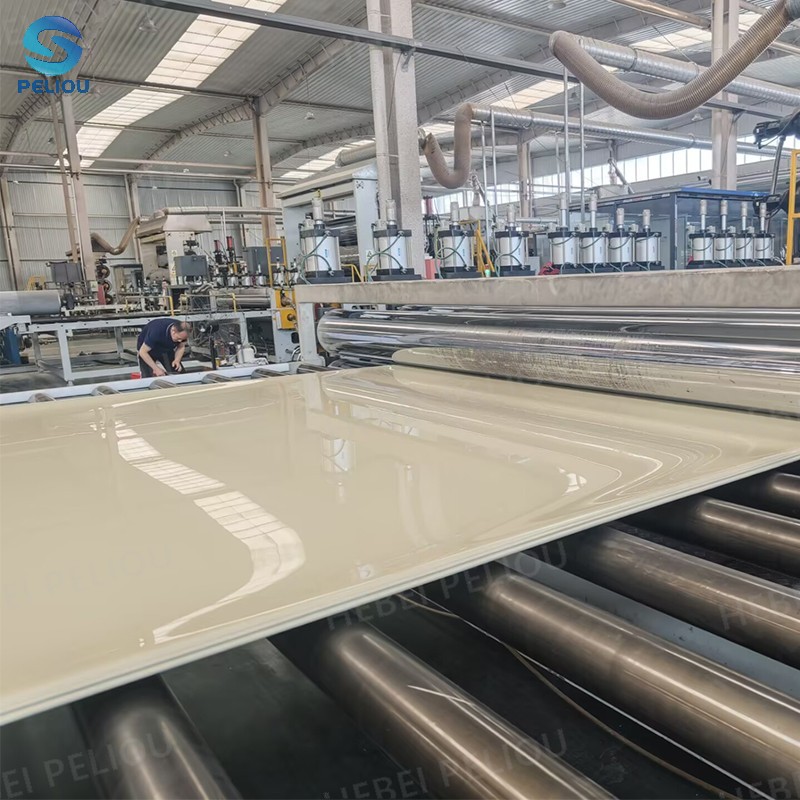
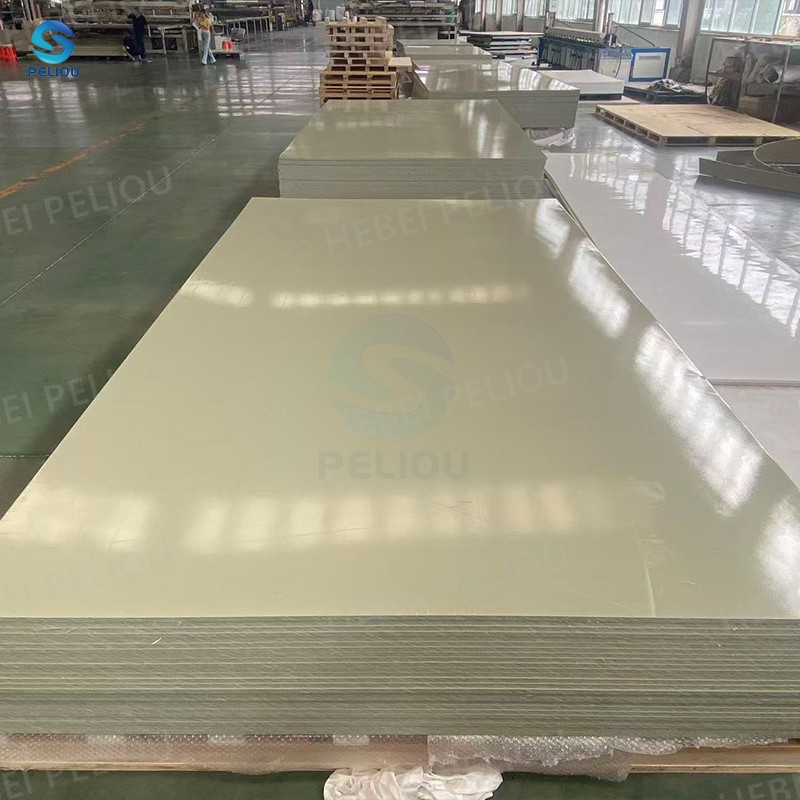
While thinner polypropylene sheets are ubiquitous in packaging and signage, the polypropylene sheet 12mm thick category serves a distinct purpose in heavy-duty scenarios. According to market analysis, sheets with a thickness above 8mm account for approximately 20% of the corrugated plastic sheets market, specifically catering to applications requiring load capacities exceeding 40 kg per sheet . This makes the 12mm variant ideal for structural components, tank linings, and chemical-resistant barriers.
The material's popularity stems from its impressive physical properties. Data sheets indicate that standard 12mm polypropylene sheets offer a tensile strength of around 30 MPa and maintain dimensional stability across temperatures ranging from -10°C to +100°C . With a water absorption rate as low as 0.03%, the polypropylene sheet 12mm thick provides exceptional resistance to moisture and a wide range of acids and alkalis, ensuring longevity in harsh environments .
Industrial buyers are leveraging the machinability of the polypropylene sheet 12mm thick for various fabrication projects. The material can be readily cut, routed, and welded using standard woodworking or metalworking equipment, allowing for custom tank fabrication, laboratory benchtops, and ventilation plant components . Suppliers typically offer these sheets in large dimensions, such as 3000mm x 1500mm or 2440mm x 1220mm, providing versatility for large-scale projects .
For applications requiring specific aesthetic or functional traits, a polypropylene sheet 12mm thick is available in multiple grades. Homopolymer versions offer enhanced rigidity and strength, while copolymer variants provide superior toughness at low temperatures, making them suitable for outdoor or cold-storage environments .


